Top Watercooling Parts Suppliers for Global Buyers
Global buyers need more than a low unit price when sourcing Watercooling Parts. A pump, radiator, cold plate, fitting, and tube must work together under real operating conditions. Thread standards matter. So do port placement, seal quality, coolant compatibility, and replacement availability. One mismatched fitting can delay an entire assembly.
A useful sourcing principle is simple: “Check the interface before comparing the price.” This line is an editorial placeholder, not a verified quotation. Alex Morgan is a fictional water-cooling specialist used here to express that principle; no source for a real expert quotation was provided. Buyers should verify supplier claims against technical drawings, sample testing, material specifications, and documented quality controls. Ask for measurable details, such as pressure-test procedures and dimensional tolerances. A polished product image proves little.
Supplier selection also depends on consistency. Can the factory repeat the same finish and dimensions across batches? Can it communicate lead times clearly when demand changes? Those answers deserve attention. Even a capable supplier may have weak documentation or uneven support; that deserves reflection, not a quick dismissal. This guide compares suppliers through product range, manufacturing capability, communication, logistics, and after-sales service. The goal is practical: help purchasing teams identify dependable partners and avoid preventable surprises. Not every buyer needs the same specification. A compact PC loop and an industrial cooling system place different demands on components, testing, and delivery. Verify the fit before committing.
Understanding the Watercooling Parts Market
Understanding the Watercooling Parts Market
Watercooling parts are moving from specialist hardware into broader data-center planning. The International Energy Agency’s Energy and AI report estimates data centers used about 415 TWh of electricity in 2024. It projects consumption could exceed 945 TWh by 2030. That growth strengthens interest in liquid cooling, but it does not guarantee every facility needs it. Rack density, available power, maintenance skills, and local water conditions all shape purchasing decisions.
The parts market includes cold plates, pumps, manifolds, hoses, quick connectors, sensors, and leak-detection systems. ASHRAE’s Thermal Guidelines for Data Processing Environments gives 18–27°C as the recommended inlet temperature range for common air-cooled equipment classes. Buyers should therefore check equipment limits and coolant conditions together. A connector that fits on paper may still complicate service access. Small details matter.
For global buyers, compare pressure ratings, materials, flow requirements, testing records, and replacement availability—not just unit price. Ask suppliers how they verify leakage and corrosion resistance, and whether spare parts can arrive quickly. A sample loop can reveal awkward routing before a full installation. It is not a perfect test. Regional standards and site conditions differ, so published performance figures need context. IEA, Energy and AI (2025); ASHRAE, Thermal Guidelines for Data Processing Environments.
Core Components Offered by Watercooling Parts Suppliers
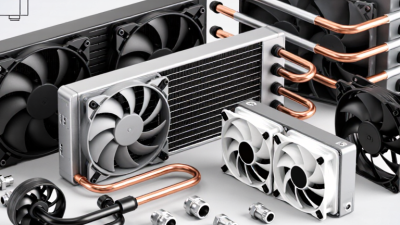
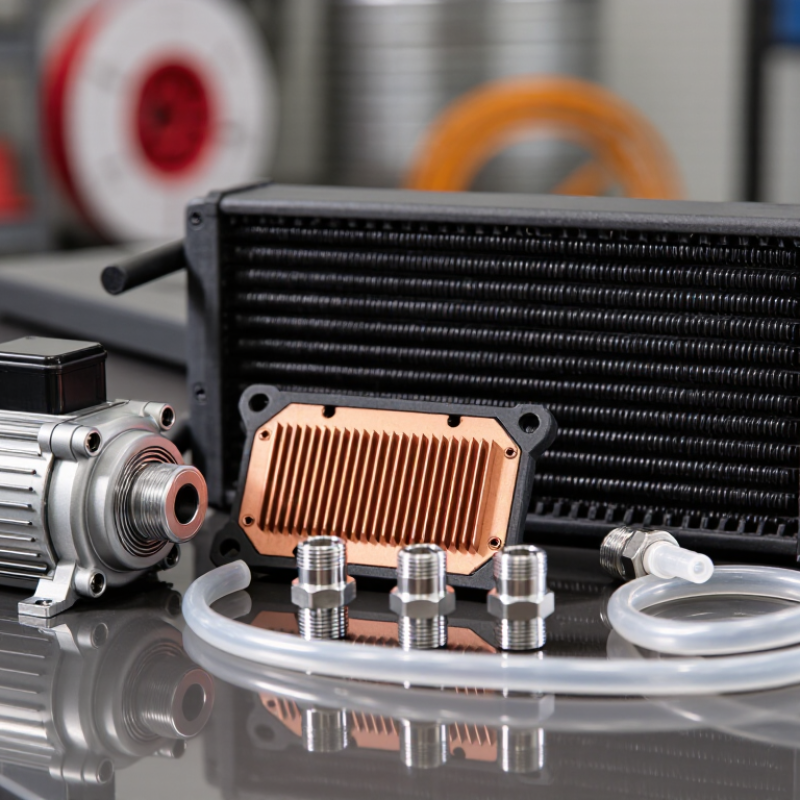
Watercooling parts suppliers typically provide pumps, cold plates, radiators, fans, reservoirs, tubing, and fittings. Each component affects how heat moves through a system. A copper cold plate needs a flat contact surface and channels suited to the expected flow. Radiator size and fin spacing influence heat dissipation, while fan performance depends on airflow and static pressure. Fit matters. Buyers should check port threads, tube diameters, and mounting dimensions before ordering.
Material compatibility deserves equal attention. Copper, brass, and aluminum can behave differently in a loop, so confirm which metals contact the coolant. Ask suppliers for clear material specifications, pressure-test procedures, and inspection records. A dependable pump should list its flow range, head pressure, and operating limits, not just a headline rating. Small details count. In practice, a fitting that looks correct can still fail when its seal or thread standard differs. It is easy to focus on price and overlook replacement availability. Even a detailed specification sheet may leave questions, so request samples or written clarification when tolerances are unclear.
How to Evaluate Suppliers for Quality and Reliability
For global buyers, evaluating watercooling parts suppliers means looking beyond polished catalogs. Ask how they control material quality, machining tolerances, and production changes. Request recent inspection records and test reports for the specific parts you plan to buy. For fittings, check thread dimensions and surface finish; for radiators, review pressure and leak-test procedures. Consistent documentation makes comparisons more useful. No checklist catches everything.
Reliability shows in everyday communication as much as in product samples. Confirm production capacity, typical lead times, packaging methods, and how defects are handled. Ask whether batches can be traced to inspection records, then compare the answer with the sample and purchase documents. A small pilot order can reveal packing damage, dimensional variation, or slow responses before a larger commitment. I would not treat one successful sample as proof of steady quality; that assumption is easy to make, and hard to undo.
Tips: Send the same technical questions to each supplier. Save replies, drawings, and test results together. Note unanswered details, too. A clear, specific answer is more valuable than a quick promise.
Global Sourcing, Shipping, and Compliance Considerations
Global sourcing for watercooling parts starts with a specification sheet, not a low quote. Define tube dimensions, fitting thread standards, seal materials, radiator size, and acceptable tolerances. Ask suppliers for inspection records and test details, then compare them against your own requirements. A sample matters. Check threads with gauges, inspect seals for nicks, and run a leak test before approving production. A sample can still mislead if mass production uses different materials or tooling.
Shipping choices affect both cost and product condition. Protect radiators from crushed fins with rigid inserts, and keep small fittings separated in labeled bags. Confirm carton dimensions, gross weight, lead time, and the exact shipping terms in writing. For urgent orders, air freight may help; bulky parts often suit sea freight better. Build in time for customs review and possible port delays. Even a careful schedule can slip.
Compliance requirements vary by destination and product design. Ask the supplier for material declarations, safety data, and applicable test reports, then verify whether local rules require additional documentation or labeling. Keep invoices and packing lists consistent with the goods and declared values. A customs broker can clarify entry requirements, but responsibility still rests with the importer. One uncomfortable point: the cheapest quote can conceal weak traceability. It is worth checking, even when the paperwork looks complete.
Top Watercooling Parts Suppliers for Global Buyers — Global Sourcing, Shipping, and Compliance Considerations
Thermal Conductivity of Common Water-Cooling Materials
Approximate thermal conductivity values at room temperature show why material choice matters when sourcing water-cooling components. Actual values vary by alloy, grade, and temperature; confirm material specifications and compatibility with suppliers before ordering.
Comparing Suppliers to Match Your Project Needs
A watercooling project can look simple on a parts list, then become complicated during installation. Compare suppliers against your actual requirements: fitting standards, tubing dimensions, pump capacity, radiator clearance, and expected operating temperatures. A compact workstation may need quiet operation and easy maintenance, while a test rig may prioritize consistent flow and replacement parts. Ask for material specifications and inspection details, not just attractive performance claims. Check whether fittings seal reliably and whether component dimensions match your drawings. Small mismatches waste time.
Tips: Request a sample before ordering in volume. Verify thread type, finish, and package protection. Ask for realistic lead times and clear responses to technical questions. Keep the answers.
Price matters, but compare the full cost, including shipping, minimum order quantities, spare parts, and potential delays. Review how suppliers handle defects and whether they can provide traceable inspection records. A polished catalogue is useful, but it cannot confirm how parts fit your assembly. If possible, test a small batch under your expected pressure and temperature conditions. One detail is easy to miss: supplier responsiveness can change after payment. Record specifications and agreed tolerances in writing, then reassess your shortlist against the project’s most important risks.