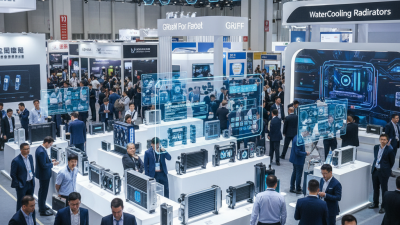
Cooling is no longer a hidden utility. It protects food, medicines, data centers, and comfortable homes. The International Energy Agency’s 2018 report, The Future of Cooling, projects that global air-conditioner stock could grow from about 1.6 billion units in 2016 to 5.6 billion by 2050. Electricity demand for space cooling could nearly triple over the same period. That scale matters. It makes the choice of equipment, service support, and efficiency more than a technical detail.
IEA Executive Director Fatih Birol described the issue this way: “The growing need for space cooling is one of the most critical energy issues of our time.” His warning frames this guide to Cooling System Manufacturers. The companies in this field serve different needs, from chillers for hospitals and factories to compact systems for offices and homes. Their products may look similar in a catalog, yet differ in operating costs, controls, refrigerants, and access to replacement parts. A specification sheet cannot tell the whole story.
This overview examines ten prominent manufacturers through practical criteria: product range, efficiency, reliability, service networks, and evidence behind their claims. Industry reports help explain market pressures, but they do not settle every buying decision. A system that performs well in a test may face dust, humidity, or uneven maintenance in real use. There are trade-offs. No ranking is perfectly tidy, and regional availability can change the picture. Readers should verify current specifications and local support before choosing a supplier.
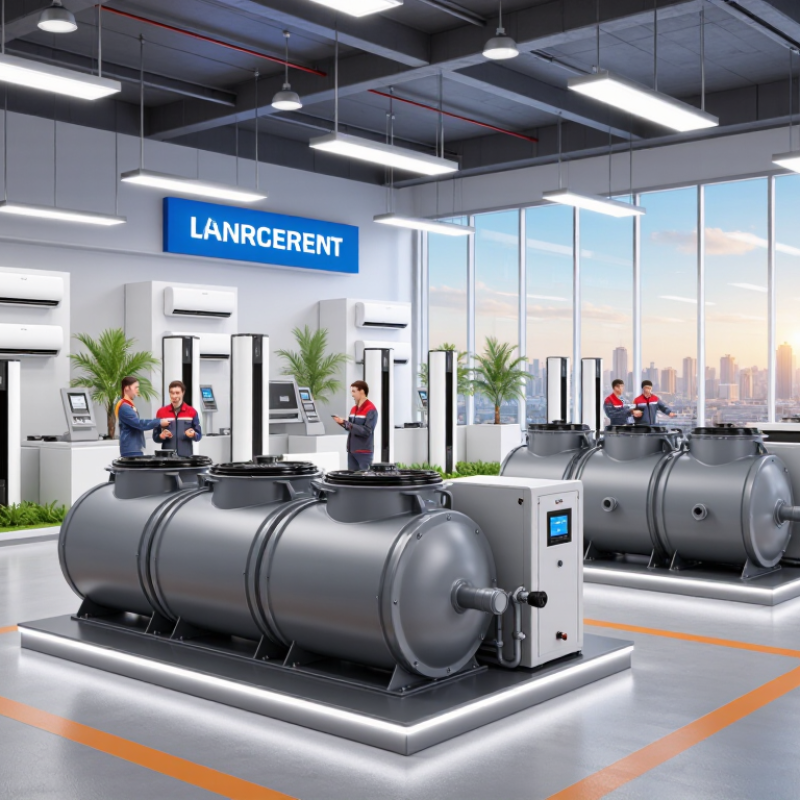
Cooling systems move unwanted heat away from people, equipment, or materials. They may use air, circulating water, refrigerant, or evaporation. A home air conditioner, for example, transfers indoor heat outdoors through coils and a refrigerant circuit. A radiator instead releases heat from engine coolant into passing air. Different jobs, similar purpose.
They appear in homes, offices, factories, vehicles, hospitals, and data centers. In a factory, a chiller can keep process water within a set temperature range. In a server room, fans guide cool air across racks, while sensors track hot spots. A vehicle’s cooling loop helps prevent engine overheating during slow traffic or steep climbs. Small electronics may rely on heat sinks and fans. Simple, but precise.
The right design depends on heat load, room conditions, noise limits, and maintenance access. A system that looks adequate on paper may struggle when filters clog or airflow is blocked by stored boxes. This happens. Water-based equipment also needs attention to leaks, scale, and corrosion. The boundaries between system types are not always neat: one facility may combine ventilation, refrigeration, and liquid cooling, each serving a different zone.
Evaluating leading cooling system manufacturers requires more than comparing advertised efficiency. The International Energy Agency’s The Future of Cooling (2018) reports that air-conditioner use consumed about 2,000 terawatt-hours of electricity in 2016, roughly 10% of global electricity demand. It projects the worldwide stock of room air conditioners could grow from 1.6 billion units in 2016 to 5.6 billion by 2050.
Those figures make energy performance a practical purchasing criterion, not just a brochure feature.
A careful assessment checks efficiency under recognized test conditions, then asks how units perform at partial load and in local climates. Numbers need context. Reviewers should also examine temperature stability, noise, maintenance access, spare-parts availability, and documented product testing.
For a facility manager, a filter that can be reached without moving ductwork is a small but real operational advantage. Refrigerant choice and leakage controls matter too, alongside clear service documentation.
I would not treat a laboratory rating as proof of low operating costs; installation quality, dust, humidity, and maintenance can change field results. That gap deserves scrutiny.
Compare warranty terms and verified performance data, and seek independent test results where available.
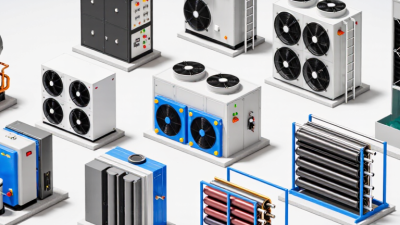
A useful profile of ten major cooling system manufacturers begins with their areas of focus, not a universal ranking. One group builds industrial chillers for factories, where stable temperatures protect production equipment. Another makes commercial HVAC systems for offices, balancing airflow, energy use, and occupant comfort. Data-center specialists design equipment for dense server rooms, where a failed cooling unit can quickly raise rack temperatures. Automotive cooling manufacturers concentrate on radiators and compact heat exchangers that must handle vibration and changing loads. Cooling-tower makers serve large facilities, with water management and routine cleaning central to performance.
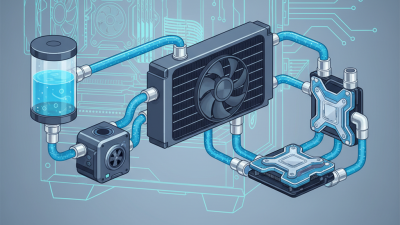
Other manufacturers focus on precision cooling for electronics, refrigeration systems for food storage, or liquid-cooling loops for high-heat applications. Heat-exchanger specialists often supply components across several industries, while custom-system integrators combine pumps, controls, and cooling units for site-specific needs. Small details matter. A clear service manual, accessible filters, and replaceable parts can shape long-term results as much as rated capacity. These profiles describe different strengths, not proof that one supplier suits every project. Specifications are useful, but operating conditions, maintenance access, and actual service support deserve careful review. Even a strong product choice can look less convincing when the installation is awkward or upkeep is overlooked.
| Anonymous Profile | Core Cooling Systems | Key Technologies | Typical Applications | Common Capabilities |
|---|---|---|---|---|
| Manufacturer 1 | Air-cooled and water-cooled chillers; air handling equipment | Vapor-compression refrigeration, variable-speed drives, heat recovery | Offices, hotels, hospitals, campuses, and other large buildings | Central plant equipment, controls, commissioning, and service support |
| Manufacturer 2 | Residential and light-commercial air conditioners; heat pumps | Inverter-driven compressors, split-system and ductless designs | Homes, small offices, retail spaces, and low-rise buildings | Room-by-room temperature control and heating-and-cooling products |
| Manufacturer 3 | Variable refrigerant flow systems; ducted and ductless units | Multiple indoor units connected to shared outdoor equipment | Hotels, apartments, schools, and buildings with varied zone loads | Independent zone control and flexible installation configurations |
| Manufacturer 4 | Packaged rooftop units; split systems; commercial heat pumps | Direct-expansion cooling, economizers, integrated controls | Retail stores, restaurants, warehouses, and mid-sized commercial buildings | Factory-assembled equipment designed for rooftop or outdoor installation |
| Manufacturer 5 | Precision air conditioning and close-control cooling equipment | Humidity management, filtered airflow, close temperature control | Data centers, laboratories, telecommunications rooms, and technical facilities | Equipment options for continuous operation and high internal heat loads |
| Manufacturer 6 | Cooling towers and heat-rejection equipment | Evaporative heat transfer, fan-assisted airflow, water distribution | Chiller plants, industrial processes, and large commercial facilities | Heat rejection for systems that circulate condenser water |
| Manufacturer 7 | Industrial chillers and process-cooling equipment | Water or glycol circuits, process temperature control, modular designs | Manufacturing plants, food processing, plastics, and machinery cooling | Cooling solutions configured for production processes and equipment loads |
| Manufacturer 8 | Commercial refrigeration and cold-storage systems | Refrigeration compressors, evaporators, condensers, temperature controls | Supermarkets, food distribution, cold rooms, and food-service operations | Refrigerated display, storage, and system components |
| Manufacturer 9 | Evaporative coolers and hybrid cooling equipment | Water-assisted heat transfer and air-side cooling | Industrial spaces, workshops, and buildings in suitable dry climates | Cooling approaches that can reduce compressor use under appropriate conditions |
| Manufacturer 10 | Building-wide HVAC systems, chillers, and control equipment | Centralized controls, system monitoring, variable-load operation | Large offices, healthcare facilities, universities, and mixed-use properties | Coordinated equipment and controls for multi-zone building systems |
Cooling technology is shifting from basic heat removal toward precise energy control. Variable-speed compressors adjust output instead of repeatedly switching on and off. Sensors can track room occupancy, humidity, and supply-air temperature. This reduces wasted cooling in lightly used spaces. Refrigerant choice matters too: lower-global-warming-potential options can reduce climate impact, but safe handling and system redesign remain practical challenges.
The market is broadening beyond homes and offices. Data centers need stable temperatures around dense server racks, while factories require reliable cooling for production equipment. The IEA’s Electricity 2024 report estimates data centers used about 460 terawatt-hours of electricity in 2022, with demand potentially exceeding 1,000 terawatt-hours by 2026. That growth makes efficient chillers, liquid cooling, and heat reuse increasingly relevant. Details vary by facility.
Buildings remain a major market. The IEA’s The Future of Cooling report projects global air-conditioner ownership could rise from about 1.6 billion units in 2016 to 5.6 billion by 2050. It also warns that cooling electricity demand could more than triple, reaching 6,200 terawatt-hours. Efficient equipment helps, but it is not enough on its own. Poor insulation, leaky ducts, and oversized systems can undermine performance. The numbers deserve a caveat: local climate, electricity sources, and operating habits change real-world results.
Choosing among cooling system manufacturers starts with the application, not the catalog. A food-processing plant needs washdown-resistant equipment and stable temperatures. A data center may prioritize cooling capacity, redundancy, and service response. For offices, noise, part-load efficiency, and controls can matter more than peak output. Ask each manufacturer to size equipment against your actual heat load, operating hours, ambient conditions, and expansion plans.
Compare verified performance under matching test conditions. The U.S. Energy Information Administration’s 2018 Commercial Buildings Energy Consumption Survey identifies cooling as a meaningful part of commercial building energy use, though demand varies by building type and climate. For data centers, the U.S. Department of Energy’s 2024 report estimates electricity use reached about 176 terawatt-hours in 2023, or 4.4% of U.S. electricity consumption. These figures show why efficiency deserves scrutiny, but they do not predict savings at one site. Request independent test data, annual energy estimates, maintenance intervals, spare-parts availability, and references from similar installations. One uncomfortable detail: published ratings may not reflect dusty filters, hot rooms, or frequent door openings.
Tips: Compare lifecycle cost, not purchase price alone. Ask for a written performance guarantee and a clear service plan. Check the assumptions; they can be optimistic.