Top Gaming PC Trends to Watch for 2026?
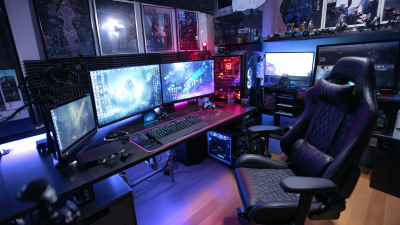
As we approach 2026, the landscape of Gaming PC technology is evolving rapidly. Innovations in hardware and software are setting new benchmarks for gamers worldwide. Gamers are now expecting more powerful systems that offer immersive experiences and unparalleled performance. This trend highlights the necessity for manufacturers to adapt quickly to these rising demands.
In addition, sustainability is becoming crucial. Many players seek eco-friendly options without compromising performance. It’s a complex challenge that requires a delicate balance between power and environmental impact. Gamers are also increasingly aware of the importance of cooling solutions that maximize efficiency and longevity. However, not all manufacturers are meeting these expectations successfully.
These shifts indicate a growing need for consumer feedback. Players want systems that reflect their values and enhance their gaming experiences. As we delve into 2026, the trends shaping Gaming PC designs will significantly impact how systems are built. Embracing these changes is essential for gaming enthusiasts and manufacturers alike. That said, the road ahead may not be straightforward, and continuous adaptation will be key.
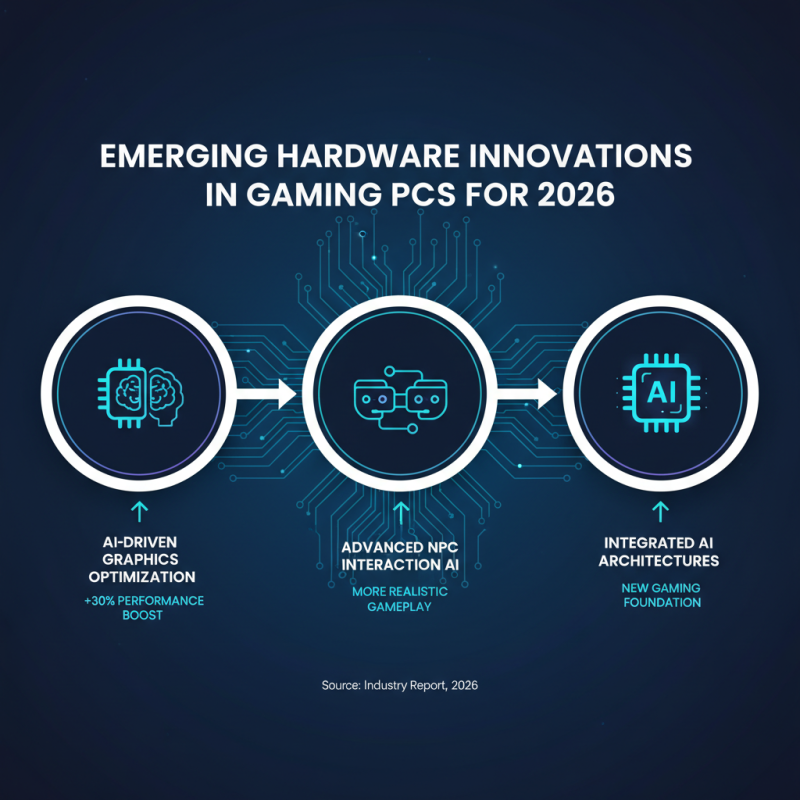
Emerging Hardware Innovations in Gaming PCs for 2026
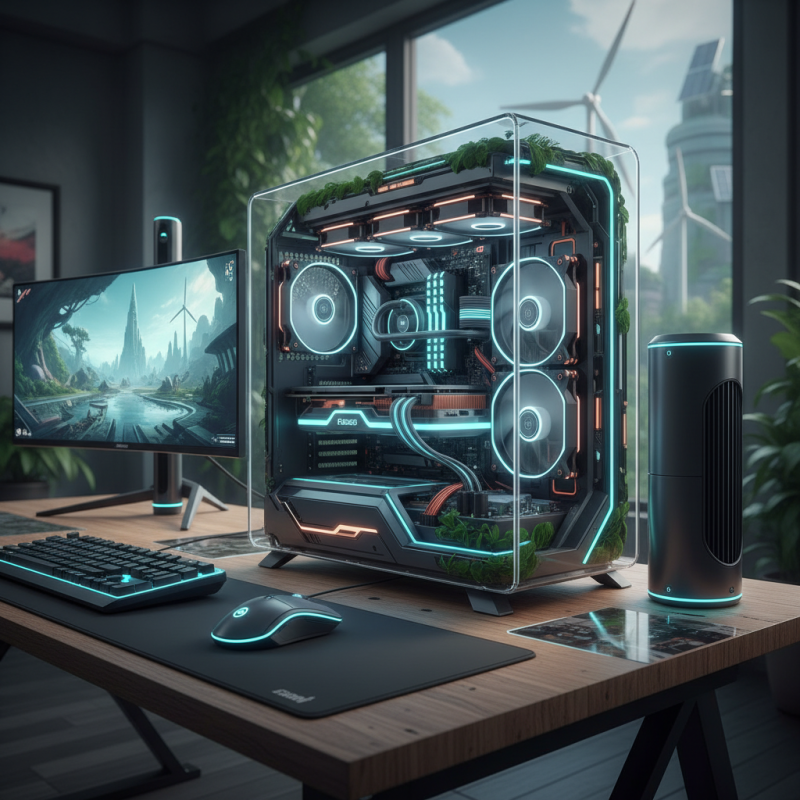
The gaming PC landscape is evolving rapidly. By 2026, we anticipate significant advancements in hardware innovations. One of the most exciting trends is the integration of AI-driven technologies into gaming systems. AI can enhance gameplay by optimizing graphics and improving non-player character interactions. A recent report indicates that AI will become a core part of gaming architectures, potentially boosting performance by up to 30%.
Another key area of development is the rise of modular components. Gamers are increasingly seeking customizable systems. Modular designs allow for easy upgrades. A study projected that the modular PC market could grow by over 25% in the next three years. This flexibility caters to individual preferences, enabling gamers to fine-tune their setups.
However, challenges remain. The rapid introduction of new technologies may lead to complexity. Gamers may struggle to keep pace with the latest innovations. Moreover, integrating cutting-edge parts can drive up costs and make technology less accessible. The commitment to affordability must be balanced with the desire for performance.
The Role of AI and Machine Learning in Future Gaming Experiences
As we look toward 2026, the intersection of AI and gaming is becoming increasingly significant. AI technologies are advancing rapidly, enabling more personalized gaming experiences. A recent report noted that 70% of gamers seek tailored content, showing the demand for sophisticated AI integration. Machine learning algorithms can analyze player behavior in real-time, adapting game narratives and challenges dynamically.
Enhanced AI capabilities can also improve non-player character (NPC) interactions. With more realistic AI, NPCs can react intelligently to players' actions. According to industry analysts, this trend could enhance immersion by up to 40%. However, this evolution brings challenges, such as ensuring ethical AI use in gaming. Developers must navigate potential pitfalls in creating AI that respects player agency and promotes fairness.
Moreover, while AI promises enhanced experiences, the reliance on technology raises concerns. What happens when AI-generated content overshadows creativity? A survey found that 54% of players worry that AI could stifle originality in game design. Balancing innovation with genuine artistic expression will be crucial for the future of gaming. As we embrace these trends, reflecting on both possibilities and limitations is essential.
Sustainability Trends in Gaming PC Manufacturing and Design
The gaming PC market is shifting toward sustainability. Manufacturers are prioritizing eco-friendly materials and energy-efficient designs. This trend is not just a passing phase. It reflects a growing awareness about our environmental footprint.
In gaming PC design, the use of recycled materials is gaining traction. For instance, enclosures made from recycled aluminum result in reduced waste. Additionally, designers are exploring bioplastics as a viable alternative. However, challenges remain. Not all recycled materials meet high-performance standards required for gaming.
Tips: Consider building a gaming PC using components from sustainable sources. Look for parts that utilize renewable materials. This contributes to less environmental impact.
Energy efficiency is also critical. Many new components are being developed to consume less power. Switching to these energy-efficient components can lower your energy bills. Yet, balancing performance and sustainability can be tricky. Gamers often prioritize raw power.
Tips: When selecting a power supply, choose one with a good efficiency rating. This often means better performance for your system. Reflect on your choices, as every decision counts toward a sustainable future in gaming.
The Evolution of Gaming Graphics and Performance Standards
The landscape of gaming graphics is continually changing. As gamers demand more realism, performance standards are evolving rapidly. In 2026, we will likely see enhanced ray tracing technology. This advancement creates lifelike lighting and shadow effects. Gamers can expect breathtaking environments that enrich gameplay.
The rise of advanced AI will also change performance standards. Smarter game mechanics will lead to challenging experiences. Expect NPC behaviors that feel genuine. This evolution may push hardware capabilities to their limits. Many existing systems might struggle to keep up. Such challenges could impact player experience.
As resolutions climb higher, the need for powerful GPUs becomes clear. Gaming at 8K with high refresh rates will be increasingly common. However, many gamers might find upgrading their hardware difficult. Price sensitivity remains a significant concern. This gap could lead to uneven access to the latest visual technologies. Balancing performance and affordability will be crucial for the future gaming community.
Top Gaming PC Trends to Watch for 2026
This chart visualizes the popularity index of various gaming PC trends expected to dominate in 2026. The trends highlighted include Ray Tracing, 144Hz Refresh Rate, 8K Gaming, AI Integration, and VR Expansion, providing insights for gamers and hardware developers alike.
Impact of Virtual Reality and Augmented Reality on Gaming PC Trends
The integration of virtual reality (VR) and augmented reality (AR) in gaming is reshaping the PC gaming landscape. By 2026, industry reports estimate that the VR and AR gaming market will reach a valuation of approximately $400 billion. This surge drives demand for powerful gaming PCs equipped to handle advanced graphics and immersive experiences. Enthusiasts are seeking systems that can meet these escalating requirements.
Emerging technologies like graphics processing units (GPUs) are becoming increasingly vital. In 2023, over 70% of gamers reported that high-resolution VR capabilities influenced their hardware choices. This trend is expected to intensify. More gamers will prioritize systems capable of smooth frame rates and rendering for VR environments, creating a ripple effect throughout the industry. Discussions around accessibility also arise, as many still find VR systems expensive and cumbersome.
Moreover, the need for performance will push innovation in cooling solutions and power supplies. Gamers want reliability during intensive sessions. However, the industry also faces challenges regarding comfort and usability, as prolonged VR use can lead to fatigue. Balancing immersive experiences with user-friendly designs will be crucial for future gaming PCs. These evolving demands reflect a dynamic market where technology continually adapts.