How to Choose the Best Watercooling Radiator at Canton Fair 2026?
Choosing the best Watercooling Radiator at the Canton Fair 2026 can be both exciting and overwhelming. With numerous options available, it's essential to know what to consider. The Canton Fair will feature advanced manufacturing and mechanical components. This is the perfect setting to explore cutting-edge watercooling technologies.
As you navigate the 1.55 million square meters of exhibitions, remember that the integration of AI-driven search tools enhances your experience. You can efficiently find suppliers with specific certifications, like ISO or CE. This saves time and ensures that you connect with reputable manufacturers.
Pay attention to the details of each Watercooling Radiator. Look for efficiency ratings, material quality, and compatibility with your systems. Not all radiators perform equally. Some may not meet your needs despite their attractive features. It’s crucial to reflect on what you require before making a decision. This consideration will lead you to the best options at the fair.

Understanding the Basics of Watercooling Radiators
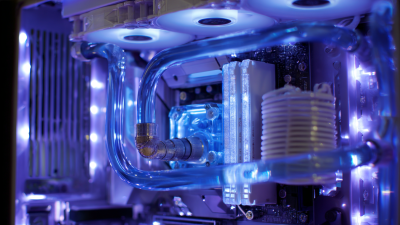
When exploring the essentials of watercooling radiators, understanding their function is crucial. These components help dissipate heat from liquid cooling systems, allowing computers to run efficiently. A key metric is the radiator's surface area. Larger radiators often provide more cooling capacity. Various reports indicate that a 120mm radiator cools around 150 watts of heat. In contrast, a 360mm radiator can handle approximately 450 watts. This data is vital when selecting a suitable radiator for demanding applications.
Material also matters. Copper radiators conduct heat better than aluminum. However, they may cost more. Consider the budget and performance needs. A lower-priced, less efficient cooler might save money upfront but could lead to thermal throttling. Users might experience suboptimal performance if the cooling system fails to keep temperatures in check.
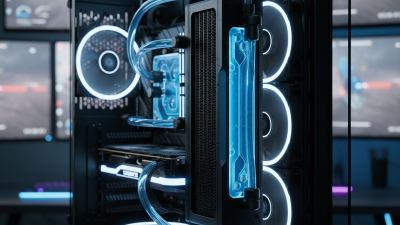
Don't overlook the fan configuration. Static pressure ratings and airflow efficiency profoundly impact cooling performance. Some fans may not perform well under specific load conditions. It’s essential to balance aesthetics and functionality; appearance should not trump performance. Many enthusiasts have regretted style over effectiveness, facing challenges in their builds because of this oversight. Keeping these factors in mind can help in making a more informed decision.
How to Choose the Best Watercooling Radiator at Canton Fair 2026? - Understanding the Basics of Watercooling Radiators
| Type |
Material |
Size (mm) |
Cooling Performance |
Price (USD) |
| Single Pass |
Aluminum |
240 |
300W |
75 |
| Dual Pass |
Copper |
360 |
500W |
120 |
| Triple Pass |
Brass |
480 |
700W |
180 |
| Compact |
Aluminum |
120 |
150W |
45 |
Key Factors to Consider When Choosing a Watercooling Radiator
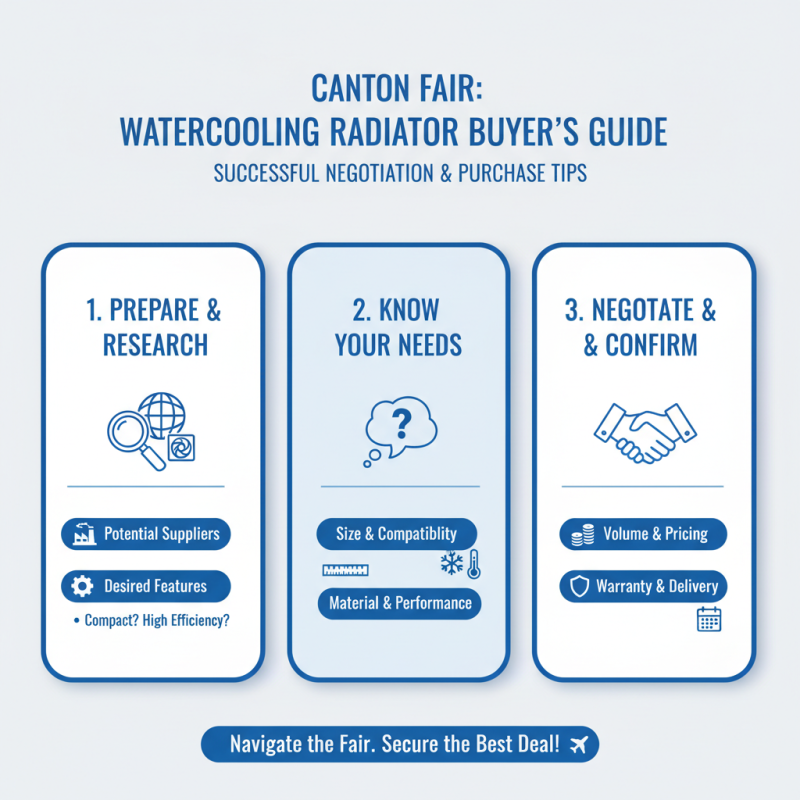
When choosing a watercooling radiator, consider several key factors. Size is crucial. Measure your case and ensure a good fit. A radiator too big will cause installation issues. Likewise, one too small may not offer adequate cooling, leading to overheating.
Material also matters. Copper offers superior thermal conductivity. Aluminum is lighter and often more affordable. Each material has its pros and cons. Choose what suits your needs best. Pay attention to the thickness too. Thicker radiators typically cool better but take up additional space.
Think about the fan compatibility as well. Ensure the radiator works with the fans you select. Check the airflow ratings and noise levels. Silent operation is valuable for many users. Lastly, consider aesthetics. A well-designed radiator can enhance the overall look of your setup. While it is important to make a choice, remember that each decision has trade-offs. Reflect on what features you prioritize most.
How to Choose the Best Watercooling Radiator
Consumer Preferences for Watercooling Radiators
This chart displays the key factors consumers consider when choosing a watercooling radiator, based on preferences observed in market research.
Comparing Different Types of Watercooling Radiators
Choosing the right watercooling radiator requires careful consideration of different types available in the market. The primary types include aluminum, copper, and brass radiators.
Aluminum radiators are lightweight and cost-effective. However, they might not dissipate heat as efficiently as their copper counterparts. Copper radiators are known for superior heat conductivity, yet they tend to be more expensive. The difference in pricing can lead to confusion, making it essential to weigh the benefits against the budget.
Data from industry reports show that copper radiators offer a thermal conductivity rating of up to 400 W/mK. In contrast, aluminum radiators usually fall around 200 W/mK. This indicates that copper can transfer heat more effectively, making it suitable for high-performance systems.
Another factor is the size and fin density of the radiator. Higher fin density generally leads to better cooling but requires more airflow. Finding the balance is crucial.
During the Canton Fair, it’s common to see various watercooling solutions. Each product often highlights unique features, yet the key is to identify what best suits your system's needs. It’s tempting to choose based on price or aesthetics. However, efficiency should be the foremost criterion. Making the wrong choice can lead to overheating and system failures.
Therefore, gathering insights and asking questions is essential prior to making a decision.
Identifying Reliable Brands and Manufacturers at Canton Fair
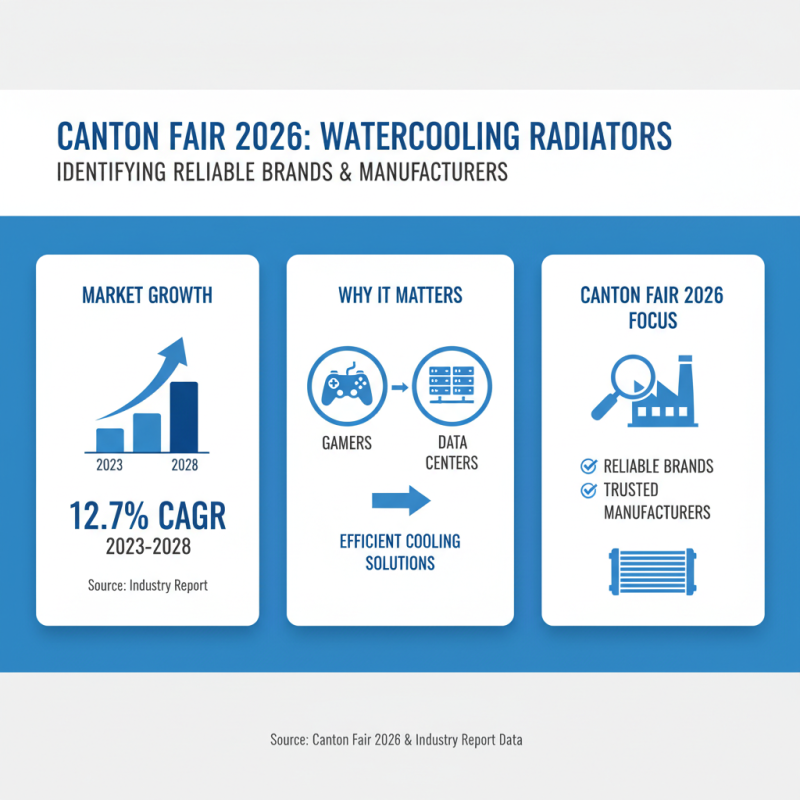
When attending the Canton Fair 2026, identifying reliable brands and manufacturers for watercooling radiators is crucial. The watercooling market is expected to grow significantly, with a compound annual growth rate (CAGR) of 12.7% from 2023 to 2028, according to a recent industry report. This growth indicates the rising demand for efficient cooling solutions among gamers and data centers alike.
While exploring manufacturers, focus on those with clear credentials. Look for ISO certifications and customer reviews to gauge reliability. Many manufacturers display past projects, which can provide insight into their capabilities. Interestingly, some companies may offer impressive products but lack solid customer support. Transparency is essential; asking questions about warranty and service can reveal a lot.
Additionally, pay attention to the materials used in radiator construction. Aluminum and copper are preferred for their thermal conductivity. However, some manufacturers may cut corners to reduce costs. This can affect performance and durability. Engaging with multiple vendors at the fair can help compare quality. Sometimes, a standout feature may not always guarantee reliability. Don't hesitate to trust your instincts when assessing potential partners.