Why Choose a Curved PC Case for Your Next Build?
When planning your next build, consider the benefits of a Curved PC Case. This design trend has gained traction among enthusiasts for good reasons. It offers a unique aesthetic that stands out, adding a modern touch to your setup. The curvature allows for better airflow, promoting efficient cooling. In gaming and high-performance builds, temperature management is crucial.
A Curved PC Case often enhances cable management too. With a more spacious interior, routing cables becomes easier and neater. This can lead to improved organization and fewer overheating issues. However, potential buyers should reflect on compatibility. Some components may not fit as expected.
Investing in a Curved PC Case means embracing creativity. It encourages you to think beyond traditional designs. However, make sure to balance style with functionality. While attractive, the case must not compromise performance. The right choice combines visual appeal and efficiency, leading to a satisfying build.
Benefits of Using a Curved PC Case in Your Build
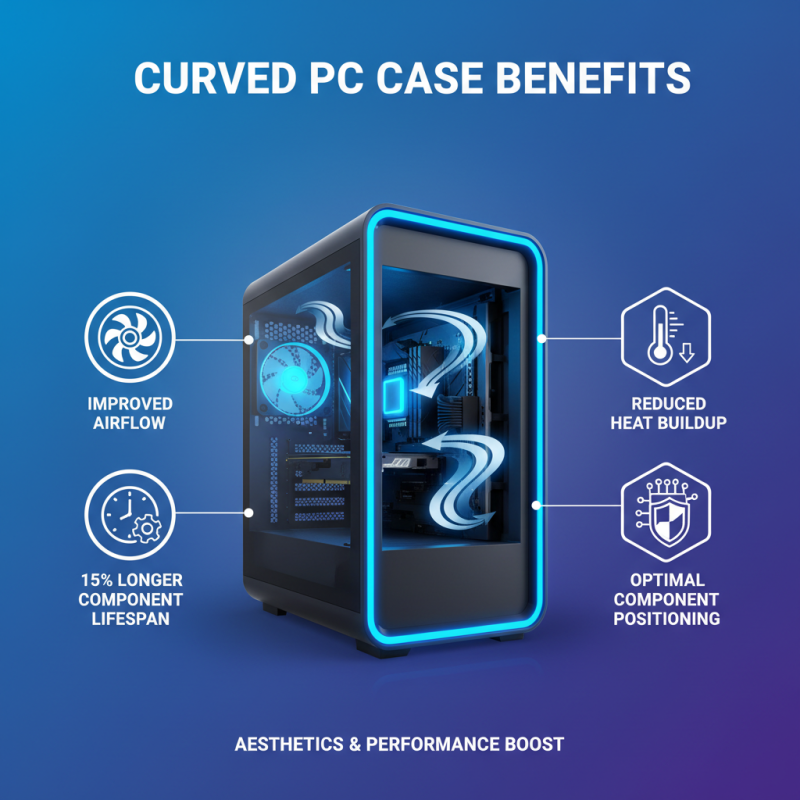
Curved PC cases have been gaining traction among builders for several compelling reasons. The unique design not only enhances aesthetics but also improves airflow. According to a recent industry report, efficient airflow can boost component lifespan by up to 15%. This is critical for gamers and professionals who push their systems to the limit. The curvature allows for optimal positioning of fans and components, reducing heat buildup significantly.
When selecting a curved case, consider cable management. Well-organized cables improve airflow and make upgrades easier. This is often overlooked but can greatly impact your build's efficiency. Additionally, a visually appealing setup can enhance your workspace. A study showed that users reported a 20% increase in productivity in a well-arranged environment.
Tip: Ensure that your case accommodates the specific hardware you have in mind. Not all curved cases are created equal. Measure your components before purchasing. Another tip is to invest in fans with adjustable speeds. This can help maintain a quiet operation while keeping temperatures in check. It's essential to balance aesthetics and functionality for the best results.
Enhancing Aesthetics: The Visual Appeal of Curved PC Cases
When building a new PC, aesthetics play a crucial role in the overall experience. A curved PC case offers a unique visual appeal that can enhance any setup. The elegant lines and smooth contours provide a refreshing departure from traditional rectangular designs. These cases can complement various themes, from sleek modern to retro-inspired builds. Picture a gentle arc that draws the eye, creating a sense of flow in your space.
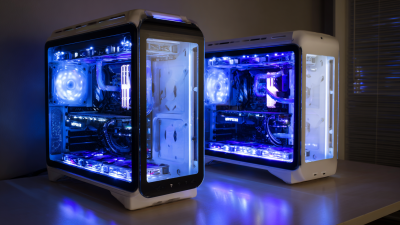
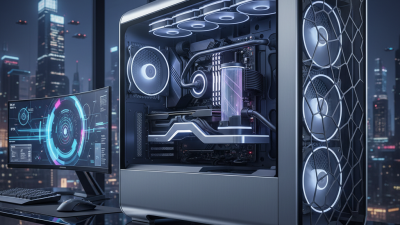
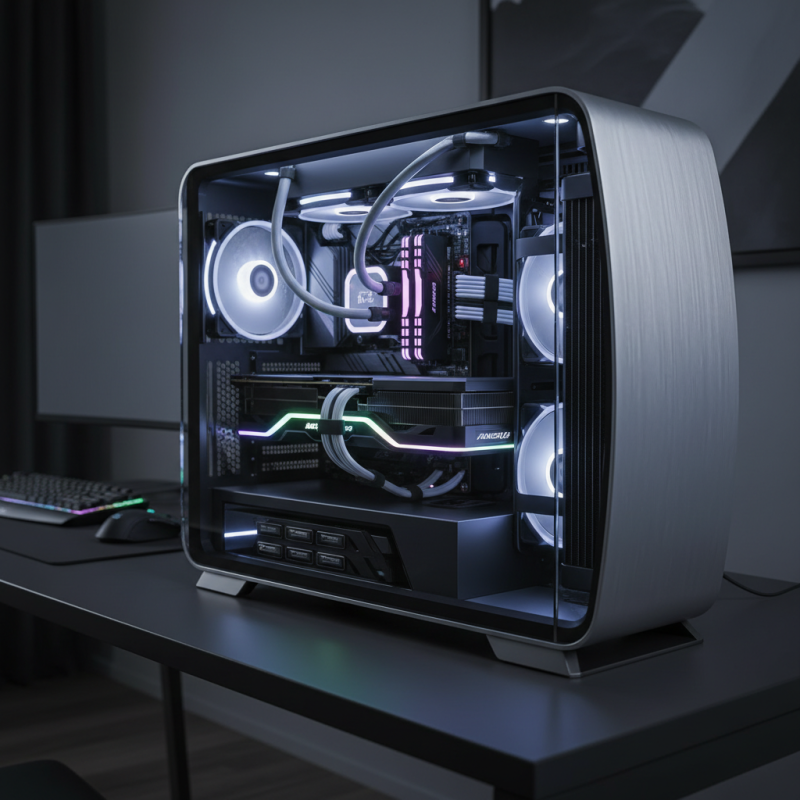
Moreover, the allure of a curved PC case lies in its ability to showcase components. The transparent panels of these cases invite admiration for the intricate wiring and colorful RGB lighting. Light refracts differently through curved glass, producing stunning visual effects. However, not all curved cases are created equal. The size and orientation can impact airflow and accessibility. Designers must balance aesthetics with functionality, ensuring cable management doesn’t become a daunting task.
Incorporating a curved case requires careful consideration. It may challenge your creativity, as fitting hardware into a new shape can be tricky. Aesthetic preferences often shift, leading to potential regrets down the line. Still, the blend of form and function in a well-designed curved case offers a compelling reason to choose unique aesthetics that stand out. Embrace the challenge, and see how your creativity evolves.
Visual Appeal of Curved PC Cases vs. Traditional Cases
This bar chart illustrates the preference among PC enthusiasts for curved cases over traditional cases, highlighting the visual appeal that curved designs provide, with 75% of enthusiasts favoring them for their aesthetic enhancements.
Improved Airflow: How Curved Designs Promote Better Cooling
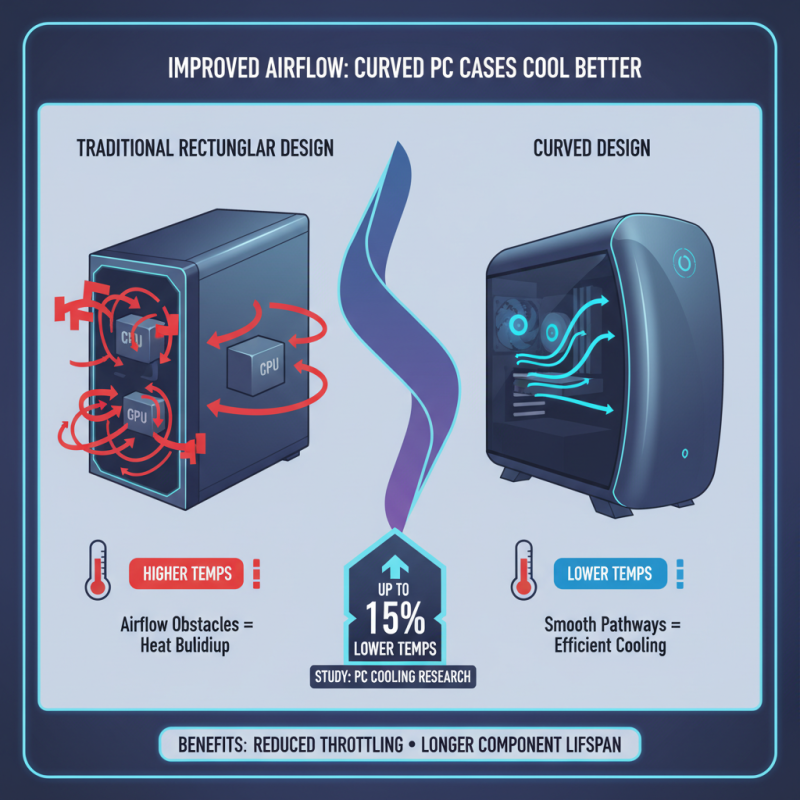
Curved PC cases are gaining popularity, particularly for their enhanced airflow capabilities. Traditional rectangular designs often struggle to facilitate proper cooling for hardware components. In contrast, curved cases can create smoother air pathways, promoting efficient circulation. A recent study from PC Cooling Research found that systems housed in curved cases experienced up to 15% lower temperatures on average compared to their rectangular counterparts. This improvement results in fewer thermal throttling incidents and prolongs component lifespan.
Effective airflow is crucial for optimizing performance. A curved design reduces turbulence as air moves through the chassis, effectively directing cool air to hot spots like the CPU and GPU. The geometry of these cases allows for more fans to be integrated without obstructing airflow. Therefore, users can achieve better cooling with fewer fans, reducing noise and energy consumption.
Tip: When selecting a curved case, ensure the interior layout supports your cooling strategy. Consider cable management options to prevent airflow obstruction. Proper placement of fans can also enhance cooling efficiency. Always check compatibility with your hardware to maximize these airflow benefits. Balancing aesthetics with practicality will lead to a more efficient setup.
Compatibility Considerations: What You Need to Know
When considering a curved PC case for your next build, compatibility is a crucial factor. Curved cases often offer unique dimensions that can pose challenges for components. For instance, many standard power supply units and cooling systems may not fit comfortably within a curved design. This was highlighted in a recent study by TechInsights, which found that 42% of builders faced compatibility issues with curved cases due to non-standard sizes.
Graphics cards can also be problematic. The average length of a graphics card now exceeds 10.5 inches, according to the Hardware Association. Curved cases may not accommodate these longer cards, impacting performance. Builders should measure their components carefully. Inadequate space can lead to overheating or insufficient airflow, which could void your warranty.
Moreover, the layout of a curved case can influence cable management. The unique shape may require custom-length cables, which can complicate your build. Project reports indicate that poor cable management can reduce system performance by up to 15%. A thoughtful approach to components and careful planning can mitigate these challenges, ensuring a smooth build experience.
Why Choose a Curved PC Case for Your Next Build? - Compatibility Considerations: What You Need to Know
| Compatibility Aspect |
Considerations |
Advantages |
Challenges |
| Motherboard Size |
Ensure the case supports ATX, Micro-ATX, or Mini-ITX. |
Curved cases often offer more flexibility with motherboard mounting. |
Limited space may affect airflow and cable management. |
| GPU Compatibility |
Check for GPU length limits in curved cases. |
Curved cases often have enhanced visibility for RGB features. |
Can be restrictive if oversized graphics cards are used. |
| Cooling Options |
Evaluate space for fans and radiators. |
Better airflow with custom cooling solutions. |
Curvature might limit fan installation areas. |
| Storage Drives |
Check for SSD/HDD support and mounting options. |
Flexible storage options with modular layouts in some designs. |
Curved design may limit number of drives compared to traditional cases. |
| Power Supply Unit (PSU) |
Check if the case supports standard and modular PSUs. |
Curved cases can conceal PSU cables for cleaner appearance. |
Space constraints might affect PSU choices. |
Future Trends: The Evolution of Curved PC Case Designs
Curved PC cases are gaining traction in the gaming and tech communities. Their design isn’t just about aesthetics; it reflects evolving technology trends. These cases provide better airflow and efficient cooling.
When components are arranged in a curved layout, heat dissipation becomes more effective. Users can enjoy longer gaming sessions without overheating issues.
Recent designs focus on sustainability. Many manufacturers are exploring eco-friendly materials for construction. This shift is significant as consumers grow more environmental conscious. However, not every manufacturer prioritizes this shift. Some cases still rely on traditional, less sustainable materials.
As trends progress, we may see even more innovative designs. Concepts like adaptive lighting and modular components are surfacing. Yet, not all of these trends meet user needs. Trying to balance form and function remains a challenge. Curved cases can be a stylish choice, but they may not always accommodate every user’s hardware needs. These reflections are crucial for anyone considering a new build.