China Best Liquid Cooling Manufacturers for Buyers?
China Best Liquid Cooling Manufacturers for Buyers?
China’s liquid cooling industry is moving from specialist projects into mainstream data-center procurement. The shift is measurable. The International Energy Agency reported that data centers consumed about 415 TWh of electricity globally in 2024. It expects demand to more than double by 2030, driven partly by artificial intelligence workloads.
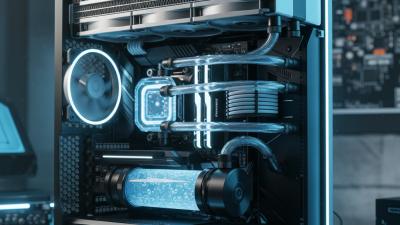
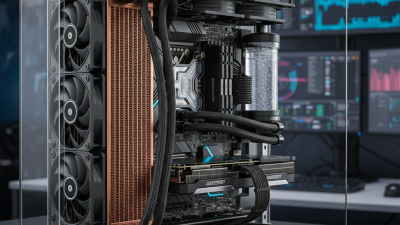
Higher rack density changes the buying conversation. Air cooling can struggle when servers exceed 30 kW per rack. Direct-to-chip Liquid Cooling can transfer heat closer to processors. Immersion systems may reduce fan energy and improve thermal stability. Results still depend on facility design, water quality, maintenance, and operator experience.
ASHRAE Technical Committee 9.9 emphasizes disciplined thermal management and equipment compatibility. Uptime Institute’s Global Data Center Survey also shows that reliability remains a central concern, even as operators pursue efficiency gains. Buyers should therefore examine more than cooling capacity. They need pump redundancy, leak detection, coolant compatibility, service response, and independently verified performance data.
Roger Schmidt, an IBM liquid-cooling expert, has stated, “Liquid cooling is not new; it has been used in mainframes for decades.” That reminder matters. The technology is proven, but modern deployment is more demanding.
China offers strong manufacturing depth, competitive pricing, and expanding engineering capability. Yet supplier quality is uneven. A polished factory tour proves little. Buyers should request test records, thermal maps, warranty terms, and references from comparable installations.
There is no universal winner.
The best manufacturer depends on rack density, climate, power availability, and service expectations. This guide compares leading Chinese suppliers through those practical criteria. Some conclusions may change as standards, workloads, and cooling architectures continue to evolve.
Liquid Cooling Explained: Why AI Racks Exceed 30 kW of Heat Load
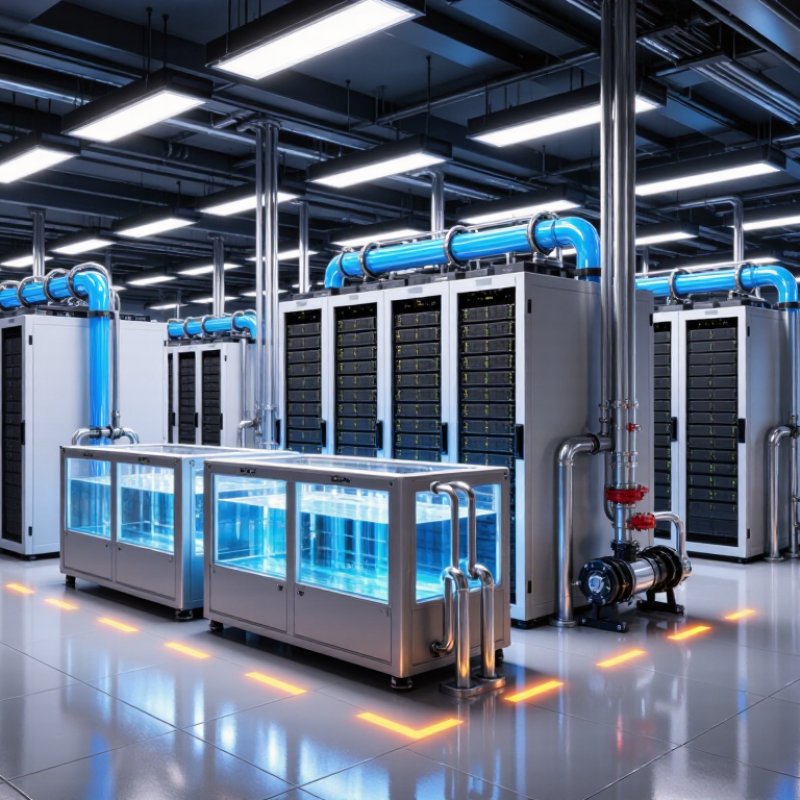
AI racks now exceed 30 kW of heat load because modern processors pack more computing power into smaller spaces. Air cooling struggles when hot spots form around dense chip clusters. A server may appear properly ventilated, yet its processor temperature can rise quickly under sustained training workloads. Liquid cooling moves heat directly from the chip to a coolant loop. This shortens the thermal path and improves temperature stability. It also reduces the need for excessive fan power.
Direct-to-chip systems commonly use cold plates, quick connectors, pumps, and a coolant distribution unit. Each component affects reliability. Poor flow balance can leave one rack cooler than another.
Leaks are uncommon with suitable installation, but they must still be considered. Operators should check fluid compatibility, pressure limits, maintenance access, and emergency shutdown procedures. A perfect spreadsheet cannot replace commissioning data. That is where many plans become less certain.
Tips: Measure real workloads before selecting equipment. Record inlet temperature, outlet temperature, flow rate, and pressure. Keep spare connectors and sensors available. Ask manufacturers for test reports, service procedures, and clear warranty conditions. Buyers should also review factory quality controls and acceptance testing. A slightly conservative design may cost more initially, but undersized cooling can limit future rack expansion.ccuntegn
Buyer Testing Criteria: Flow Rates, Leak Detection, and Five-Year TCO
China Best Liquid Cooling Manufacturers for Buyers?
A reliable liquid cooling manufacturer should welcome measurable buyer testing. Start with flow rate, not brochure claims. Use the intended tubing, fittings, coolant, and operating temperature. Measure inlet and outlet flow with a calibrated meter. Record results at 25%, 50%, and full pump speed. Small restrictions can become serious under server load.
Leak detection deserves equal attention. Pressurize the assembled loop before power testing. Hold the target pressure for several hours, then inspect joints with dry absorbent paper. A tiny wet mark matters. Thermal cycling is also useful, because seals may expand and contract repeatedly. I have seen stable cold tests fail after repeated heating. That result is inconvenient, but valuable.
Five-year TCO should include pumps, filters, coolant replacement, energy use, labor, and downtime risk. Compare power consumption at the same heat load, not only maximum capacity. Ask for service intervals and spare-part availability in writing. A cheaper unit may require more maintenance. Estimates can still be imperfect, so record every assumption.
Tips: Request sample test reports, but repeat critical tests independently. Check noise at normal load. Ask how failed parts are diagnosed. Leave a realistic maintenance allowance in your budget.
China Best Liquid Cooling Manufacturers for Buyers: Testing Criteria
This reference scenario compares liquid-cooling systems at different thermal loads. Required flow is calculated from water cooling at a 10°C temperature rise using a specific heat capacity of 4.186 kJ/kg·K. Five-year TCO includes estimated equipment, installation, electricity, coolant, and scheduled maintenance costs. Leak detection response is shown in seconds; lower values indicate faster protection.