Best Computer Cases in China for Global Buyers?
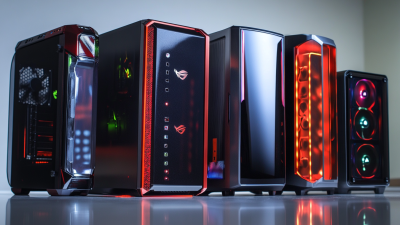
As technology advances, choosing the right computer cases is essential for global buyers. Industry reports indicate that the computer hardware market will reach $300 billion by 2025. A significant portion of this growth can be attributed to the rising demand for specialized computer cases. These enclosures are not merely protective shells; they significantly influence cooling efficiency, aesthetics, and overall performance.
In China, a wide range of computer cases are available, catering to different needs and preferences. With manufacturers focusing on innovative designs and materials, buyers can find customizable and high-performance options. Factors such as airflow and build quality are critical considerations when selecting a computer case. Moreover, the market is evolving, with trends like RGB lighting and minimalist designs gaining traction. However, it can be overwhelming to navigate this dynamic landscape filled with choices.
Data shows that 40% of consumers prioritize functionality over aesthetics when buying a computer case. This highlights the importance of understanding product specifications and consumer reviews. Selecting the wrong case may lead to thermal issues or compatibility problems. Thus, informed choices are vital for achieving optimal computing experiences.
Overview of Computer Cases Available in China for International Buyers
When exploring computer cases available in China, international buyers have a wide array to consider. The market is vibrant and diverse, catering to both gamers and professionals. Prices can vary significantly, influenced by materials and features. Your budget will play a critical role in your selection process.
Many cases offer ample cooling options and solid build quality. However, not all provide enough compatibility for modern components. Some designs may limit airflow, affecting performance. It's essential to read user reviews and check compatibility charts before making a choice.
Documentation can sometimes lack clarity in translation. Features may not always be as advertised. This requires careful research to avoid missed expectations. International shipping can present its own challenges. Ensure that the case you choose supports your local hardware standards. Overall, while the Chinese market is filled with opportunities, diligence is key to finding the right fit.
Key Features to Consider When Purchasing a Computer Case in China
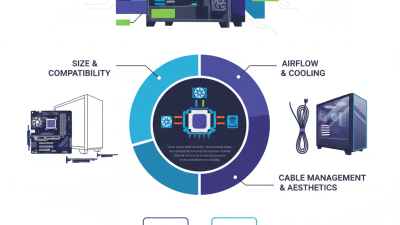
When considering a computer case in China, several key features stand out. One important aspect is the size compatibility. Ensure the case fits your motherboard and components. ATX or micro-ATX sizes are common. A mismatched case can lead to installation headaches.
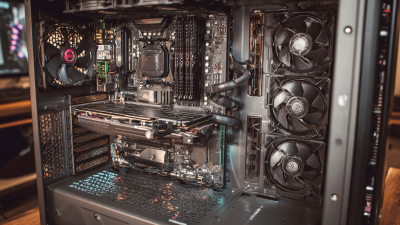
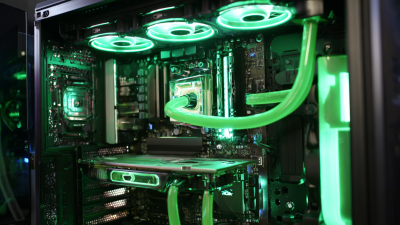
Ventilation is another critical factor. Proper airflow keeps your system cool, especially for high-performance builds.
Material quality matters significantly. Steel and aluminum are popular choices for durability. However, some cases use plastic, which can be less sturdy. A case with tempered glass panels can enhance aesthetics but may require gentle handling.
Cable management systems are essential too. Neatly organized cables improve airflow and make a system look more polished.
Using a case without considering these features can lead to frustration. A lack of airflow may cause overheating. Poor cable management results in clutter and dissatisfaction.
So, as you browse options in China, weigh these considerations carefully. Focus on quality and practical design choices that enhance your computing experience.
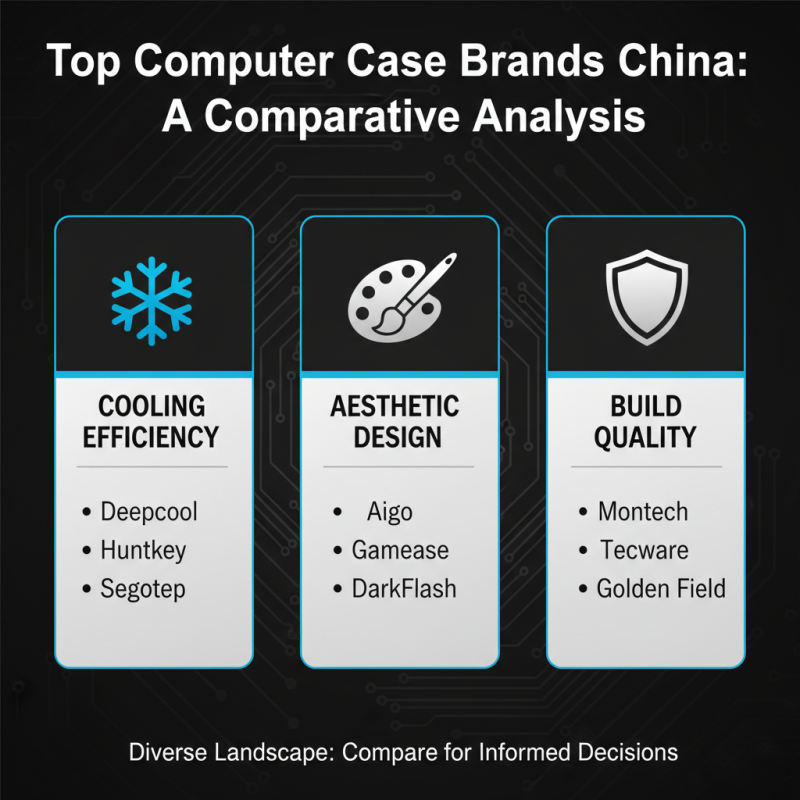
Top Computer Case Brands in China: A Comparative Analysis
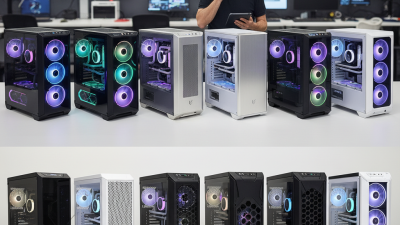
When exploring computer case brands in China, buyers encounter a diverse landscape. Many manufacturers offer innovative designs. Some prioritize cooling efficiency, while others focus on aesthetic appeal. Variability in quality can be notable, making comparisons essential for informed decisions.
Not all cases are created equal. Some may lack adequate cable management, resulting in cluttered interiors. This can impact airflow and cooling performance. Additionally, the material quality often varies. Some cases are made of durable steel, while others may use thinner aluminum, affecting longevity. Consumers should consider these factors carefully.
Brand reputation plays a significant role in choosing a case. Reviews from other users can provide insights into real-world performance. However, differing needs can lead to varied experiences. One user's ideal case might not meet another's standards. Enthusiasts may appreciate modular designs, but casual users might prefer straightforward setups. Always weigh personal requirements against the features offered.
Guidelines for Importing Computer Cases from China to Global Markets
When importing computer cases from China, it's crucial to understand market trends. Focus on local preferences. Research what styles and materials are popular in target markets. Buyers usually prefer lightweight and durable cases. Understanding the specific needs of consumers can increase sales potential.
Quality checks are vital. Ensure that manufacturers follow international standards. Many cases may look appealing but lack quality control. Request samples when possible. This allows you to inspect the design and functionality before committing to large orders.
Keep in mind the logistics as well. Shipping can be complex. Different countries have distinct regulations. Familiarize yourself with customs requirements. Also, consider lead time and shipping costs. These factors can impact your overall budget. Evaluate your options carefully to make informed decisions.
Customer Reviews and Feedback on Chinese Computer Cases
When it comes to selecting computer cases from China, customer feedback plays a pivotal role. Recent industry reports highlight that over 70% of buyers prioritize user reviews before making a purchase. Many users appreciate the elegant designs and cooling efficiency of Chinese cases. However, there are often concerns about build quality and customer service.
Feedback frequently points out the diversity in product experiences. Some users report excellent airflow and cable management. Others, however, express disappointment with structural integrity over time. A significant portion of the community finds the thermal performance of these cases impressive. Yet, a common complaint about missing documentation or unclear assembly instructions resurfaces. This inconsistency can affect buyer trust and influence future purchases.
Furthermore, user discussions throughout various platforms reveal insights into overall satisfaction. Many highlight how localized features enhance usability, but there remains a notable gap in international support services. Incorporating feedback into future designs could bridge this gap. Overall, the market for computer cases in China continues to evolve, driven by customer input, yet there are areas needing improvement.